Introduction
Fashion is a powerful form of self-expression, but the modern fashion industry has created serious environmental and social problems. Fast fashion promotes cheap, trendy clothing that is quickly produced and discarded. To solve these issues, the slow fashion movement has emerged as a sustainable and ethical alternative that encourages thoughtful production and responsible consumption.
Understanding the Slow Fashion Movement
The slow fashion movement focuses on quality, durability, and timeless design rather than mass production. It promotes buying fewer clothes that last longer and are made with care. This approach values craftsmanship and encourages consumers to think about the long-term impact of their fashion choices.
Environmental Sustainability in Fashion
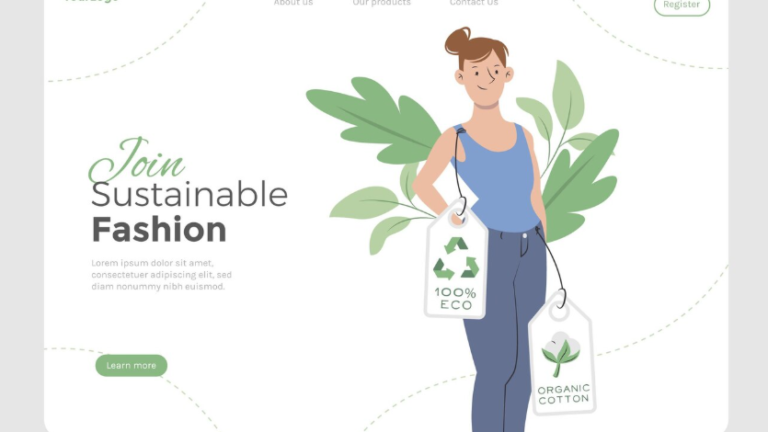
The fashion industry is one of the largest contributors to pollution and waste. Slow fashion reduces environmental harm by using eco-friendly materials such as organic cotton and recycled fabrics. It also limits overproduction, helping to conserve water, reduce carbon emissions, and decrease textile waste.
Ethical Labor and Fair Trade
Many fast fashion brands rely on low-paid labor and unsafe working conditions. Slow fashion supports fair wages, safe workplaces, and respect for workers’ rights. By choosing slow fashion, consumers help promote dignity, fairness, and ethical treatment for garment workers.
Mindful Consumer Behavior
Slow fashion encourages people to shop thoughtfully rather than impulsively. Consumers are urged to buy clothes that match their personal style and can be worn for many years. This mindful approach reduces unnecessary spending, minimizes waste, and builds a healthier relationship with fashion.
Creativity and Clothing Longevity
Creativity plays an important role in slow fashion. Practices like thrifting, repairing, and upcycling clothes help extend their life. Instead of throwing garments away, people can redesign or reuse them, reducing waste while expressing individuality.
Raising Consumer Awareness
The slow fashion movement educates consumers about where clothes come from and how they are made. Awareness empowers people to make responsible choices that align with environmental and ethical values. Small actions taken by many individuals can create a significant positive impact.
Challenges of Adopting Slow Fashion
Slow fashion is sometimes seen as expensive or less accessible. However, higher-quality clothing lasts longer and often saves money over time. The challenge lies in changing habits and shifting away from fast fashion trends.
Benefits of a Slow Fashion Approach
Slow fashion benefits the environment, supports workers, and promotes sustainability. It encourages intentional living and responsible consumption while offering long-lasting value and peace of mind to consumers.
Conclusion
Slow fashion is redefining style by proving that fashion can be ethical, sustainable, and meaningful. By embracing slow fashion, individuals can protect the planet, support fair labor, and create a better future. It is not just a trend but a movement toward lasting positive change.
